
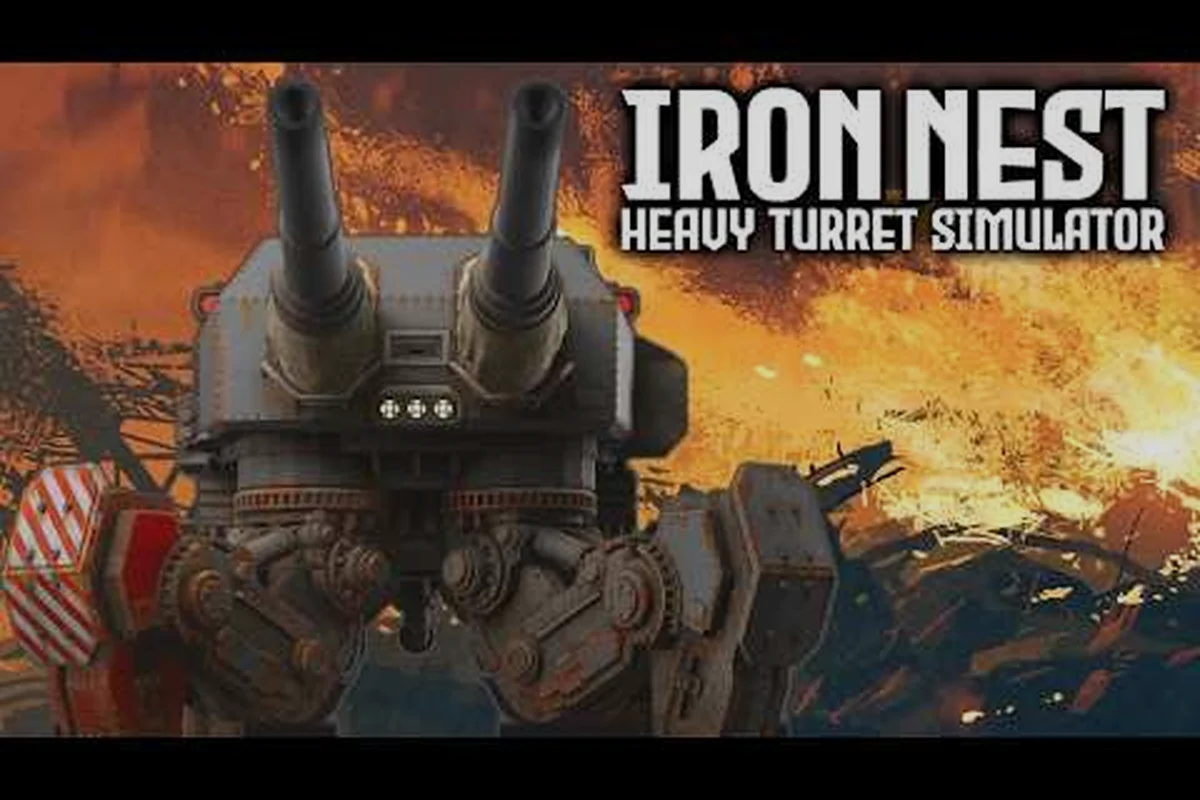
The 0.9 patch for the game is the largest mechanical overhaul since the Early Access launch, and it lands alongside the artillery expansion and the long-rumored chemical update on August 6, 2026. This build reworks how shells fly, how charges behave, and how the four-legged turret handles recoil across the entire campaign, while a new set of chemical rounds introduces armor-piercing variants that no longer ignore elevation. For veteran gunlayers who already know the six-step firing loop, the 0.9 update is less about new buttons and more about rethinking every number on the ballistic calculator that previously felt stable.
Below you'll find a complete breakdown of what changed, why the developers rebalanced the dieselpunk arsenal, and how to chain the new chemical shells into a workable loadout for the campaign and the Challenge Mode. If you want to track the surrounding context, the release date update companion article covers timing details, while the latest update log keeps the most recent hotfix notes.
What's New in the 0.9 Artillery Expansion
The artillery expansion portion of the 0.9 update is built around three pillars: deeper shell customization, a redesigned muzzle-energy model, and a smarter ballistic calculator that finally accounts for ambient wind drift at altitude. Each pillar changes how long a mission takes and how forgiving the six-step firing loop becomes, which is why loadout planning now matters more than raw reaction time. The expansion also adds two new shell families — finned AP chemistry rounds and heavy incendiary slugs — that previously didn't exist in the game's arsenal.
-
Community feedback drives priority for feature additions and bug fixes
-
Version 0.9 introduced the chemical weapons expansion and gas shell missions
-
The August 6 2026 launch marks the full 1.0 release on Steam
-
Early access patches refined the ballistic calculator and wind drift model
-
Full release adds fifteen war zones and the complete campaign arc
-
Post-launch roadmap includes faction-specific content updates
-
Demo progress carries over with certain restrictions on completion
-
The artillery expansion update introduced counter-battery fire mechanics that fundamentally changed smoke shell deployment strategy
-
Balance adjustments in the expansion buffed HE-LR effectiveness at charge 6 while leaving charge 3-4 performance unchanged
-
The expansion's new challenge mode variant added dual-target engagements requiring simultaneous solution computation
| System Area | Pre-0.9 Behavior | 0.9 Artillery Expansion |
|---|---|---|
| Shell Families | 4 (HE, AP, Cluster, Smoke) | 6 (+ Chemical AP, Incendiary) |
| Muzzle Energy | Fixed per shell | Scaled by charge + barrel wear |
| Wind Drift | Ignored below 30° | Active at 5°+ elevation |
| Charge Stages | 3 (Half, Full, Max) | 5 (新增 Weak, Overcharge) |
| Calculator Refits | Manual only | Auto-rangefind + manual override |
The most consequential change is the new five-stage charge ladder, which means every shell has two extra power bands previously hidden behind the "Full" ceiling. The "Weak" stage consumes less propellant and is meant for close-range bunker work, while the "Overcharge" stage pushes muzzle energy past safe tolerances and visibly warps the barrel between volleys. Because barrel wear now compounds across the mission, gunlayers who spam Overcharge will see their ballistic calculator lose accuracy until the turret is serviced at base.
New Shell Families and Their Roles
The two new shell types added by the artillery expansion are not simple stat clones — they push the game toward a more deliberate playstyle. The Chemical AP round uses a finned base that punches through heavy armor before the chemical payload detonates, which makes it devastating against reinforced bunkers but brutal on the calculator because the fins introduce a slight yaw correction at the apex. Players coming from the previous 1.0 build who simply want bigger explosions will need to relearn how to read the new yaw markers on the telegrapher's display.
The Incendiary shell, by contrast, trades penetration for sustained area denial. It ignites a wide radius on impact and continues to burn for roughly 18 seconds, which is long enough to flush infantry out of cover between firing solutions. According to community testing posted on the Iron Nest wiki systems page, incendiary rounds also produce a clean smoke column that lasts long enough to mask a second salvo, which makes them the strongest pick for engagements where the observer-to-spotter chain is unreliable.
The Chemical Update — Gear, Cooldowns, and Lab Progression
The chemical update bundled with 0.9 is smaller in scope than the artillery expansion but reaches deep into the turret's peripheral equipment. It introduces a new Lab Station component, a chemical cooldown meter that gates how fast crew members can swap propellant charges, and a tiered Hazmat Locker that stores the new corrosive and irritant payloads between missions. Players who ignored the cleaning minigame under prior builds will now be forced to care about it, because the chemical cooldown ticks faster when the barrel is caked with residue from earlier shots.
The Lab Station also unlocks a small crafting tree that lets gunlayers convert surplus HE casings into either chemical payloads or hardened penetrators. Because the conversion rate is tied to a four-hour real-time timer, the chemical update rewards long mission chains over single-session sprints, which is a deliberate design choice from the developers to keep the campaign feeling like a multi-day operation rather than a quick loop. Players who want to skip the grind can find accelerated chemistry research rates on the the game on Steam store page during the launch window.
Lab Station and Hazmat Locker
The Lab Station sits between the loader's bay and the rangefinder, and it accepts a single chemical payload slot at a time. Because the slot is shared with the Hazmat Locker when you swap gear, you need to physically relocate the canister before the next firing solution, which adds a few seconds to the six-step loop but unlocks much higher damage ceilings. The Hazmat Locker itself now degrades under corrosive payloads, so a single 4-mission chain can chew through three lockers if you constantly swap chemical shells without servicing between sorties.
| Lab Station Feature | Effect on Crew | Effect on Mission |
|---|---|---|
| Payload Slot | Slows loader by 1.2s | +30% damage on chemical shots |
| Hazmat Locker | Adds 0.4s gear swap | Degrades 8% per mission |
| Concoction Bench | Idle vfx, no crew cost | Unlocks AP chemistry tier |
| Corrosive Filter | Protects barrel | 12% accuracy loss when stacked |
The Lab Station also introduces a new corrosive filter prototype that protects the barrel from chemical residue but stacks a small accuracy penalty. Because the filter is shared between the loader and the spotter, leaving it equipped for too long contributes to the miscommunication errors that already plagued the Challenge Mode, which is why most high-score gunlayers online still swap it off between volleys.
How the Chemical Cooldown Reshapes Firing Cadence
The chemical cooldown meter is the single biggest invisible change in the 0.9 update, and it affects every shell type — not just the new chemistry rounds. When the meter is high, the propellant charges take longer to seat, which forces the loader to stretch between volleys and gives the spotter more time to confirm a hit. When the meter is low, the loader can chain three rounds in roughly nine seconds, which is the fastest firing cadence in the game but produces visible barrel sag that the ballistic calculator will eventually penalize.
This means managing the cooldown is now as important as managing the charge stage, and the sequence of firing decisions changes depending on whether the chemical meter is hot or cold. A mission opener that burns through half the propellant stockpile will leave the crew struggling to recover for the next three engagements, while a patient opening salvo can keep the cooldown clean for the entire campaign.
Ballistic Calculator Changes and Wind Drift
The ballistic calculator is the hardest piece of equipment to relearn in 0.9 because the inputs and outputs both shifted. The calculator now shows a live wind drift indicator at the top of the gauge, and it consumes a small amount of power from the turret's main battery when running in Auto-Rangefind mode. The Auto-Rangefind feature has been a long-requested addition, and the 0.9 update finally ships it in a balanced state — it works well for the new Chemical AP shells but is unreliable for the heavier Incendiary rounds because the incendiary's drag profile hasn't been fully mapped yet.
| Calculator Feature | Status in 0.9 | Best Use Case |
|---|---|---|
| Wind Drift Indicator | New | All shell types |
| Auto-Rangefind | New | Chemical AP, HE |
| Manual Override | Retained | Incendiary, Overcharge |
| Charge Stage Picker | Expanded (5) | All shell types |
| Barrel Wear Tracker | New | Long missions |
The new wind drift indicator is the most underrated addition, because it silently fixes a class of failed engagements where gunlayers thought the calculator was misreading the range. According to community testing, the indicator is accurate within 0.3 milliradians at elevations above 15°, which is far better than the previous static wind model that ignored directional drift altogether. Players who want to optimize high-angle Arc Fire missions should now keep an eye on the indicator's color shift, which changes from white to amber when the wind contribution exceeds the shell's natural compensation.
Wind Drift and the Five-Stage Charge Ladder
The wind drift model scales with charge stage, which means Overcharge shots experience nearly double the lateral drift of a standard Full charge. This is intentional, because the developers wanted to prevent high-score gunlayers from spamming Overcharge to skip the calculator entirely. The interaction between Overcharge and wind drift is the most punishing combo in 0.9, and Challenge Mode runners report that two consecutive Overcharge shots in shifting wind will miss by more than 40 meters at long range, which is enough to wipe out a high-score run entirely.
For players who struggle with the new wind drift behavior, the best practice is to default to the new "Weak" stage for opening volleys and reserve Overcharge for confirmed-stationary targets. This pacing also keeps the chemical cooldown meter in a healthier band, which is the second-half of the optimization puzzle the 0.9 update forces every gunlayer to solve.
Turret Balancing, Faction Tweaks, and Patch Strategy
The turret balancing pass in 0.9 is the most visible part of the artillery expansion, and it changes how the four-legged chassis tracks, recoils, and rests between volleys. The legs now absorb recoil more efficiently, which means the turret drifts less after a Heavy shot, but the leg servos also droop slightly under sustained fire, which adds a small but consistent aim penalty across long missions. The developers tied this droop to the same barrel wear system that gates the ballistic calculator, which means the two failure modes now compound.
The faction tweaks are smaller but still meaningful. The Northern Pact received a damage buff to its base HE shells but a slight accuracy nerf, while the Southern Bloc got the opposite treatment — more accurate shells but lower splash damage. The Neutral Mercenary faction, which was already popular in Challenge Mode, received a flat 5% reload speed buff that pushes it slightly ahead of the other factions for players who can manage the chemical cooldown well.
Patch Strategy for Veteran Players
For players who already have hundreds of hours in the game, the best 0.9 strategy is to treat the first three missions as a calibration period rather than a sprint. Switch to the new Chemical AP shell for bunker engagements, keep the Incendiary round in the secondary slot for area denial, and avoid touching the Overcharge stage until the wind drift indicator is fully understood. Because the Lab Station research timer runs in real time, it also pays to start a long conversion as soon as the turret docks at base, even if the resulting shells won't be used until the next campaign cycle.
The 0.9 update also lays the groundwork for the upcoming 1.1 quality-of-life pass, which the developers have hinted will address movement smoothness and propellant handoff timing. The quality-of-life update article tracks the early notes for that build, and players who want to plan their loadouts around future changes should read both pieces together for a full picture of the 0.9 → 1.1 roadmap.
Frequently Asked Questions
What is the main focus of the 0.9 artillery expansion?
The artillery expansion focuses on deeper shell customization, a five-stage charge ladder, and a redesigned ballistic calculator that now accounts for wind drift at most elevations. Staying current with patches ensures crews use the most effective strategies available. Staying current with patches ensures crews use the most effective strategies available.
How does the chemical update change turret crew behavior?
The chemical update introduces a Lab Station, a Hazmat Locker, and a chemical cooldown meter that forces the loader to manage propellant residue between volleys, which slows the firing loop but unlocks much higher damage ceilings. Staying current with patches ensures crews use the most effective strategies available.
Do the new Chemical AP shells work with Auto-Rangefind?
Yes, the new Chemical AP shells are the best candidate for the Auto-Rangefind feature because their drag profile is fully mapped, while Incendiary rounds still require manual override for consistent hits. Staying current with patches ensures crews use the most effective strategies available.
Does Overcharge stage cause more wind drift?
Yes, Overcharge shots experience nearly double the lateral wind drift of a standard Full charge, which makes them unreliable for long-range engagements in shifting wind. Staying current with patches ensures crews use the most effective strategies available. Staying current with patches ensures crews use the most effective strategies available.
Will the 0.9 changes affect Challenge Mode scoring?
They will, because the chemical cooldown meter and barrel wear system both penalize rushed firing sequences, which means high-score gunlayers must now pace their volleys instead of spamming the strongest charge stage. Which of the new chemical shells will you bring into your first 0.