
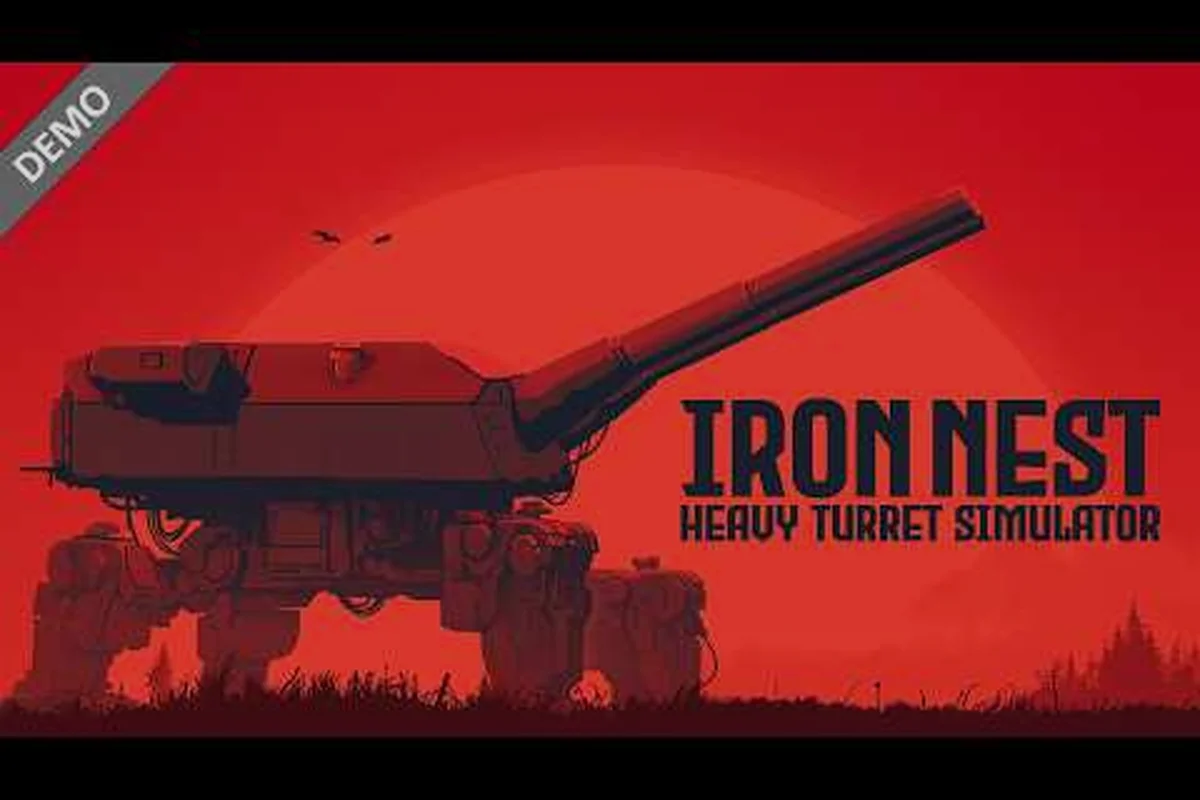
In the diesel-punk trenches of the game, every shell you fire echoes through the press. The newspaper system tracks your combat record and transforms tactical decisions into headlines, which in turn shape how factions, civilians, and High Command perceive your service. Understanding the relationship between on-field actions and reported consequences is the difference between being remembered as a hero or a war criminal when the war eventually winds down across the contested Iberian front.
According to veteran operators who logged extensive hours in the demo build, the press functions as an independent narrative engine rather than a flavor text feature. Reporters embedded with both sides of the conflict file dispatches that pass through editorial filters biased by faction allegiance, regional politics, and the personal vendettas of specific editors. These dispatches, once printed, drive dialogue availability, equipment access, and even which ending sequences your crew can witness in the final hours of the campaign. This guide breaks down how the system functions beneath the surface, how the four reputation tiers reshape story consequences, and which strategic approaches veteran crews use to manage public perception without sacrificing tactical effectiveness.
Overview of the Newspaper System in Iron Nest
The newspaper system in the game operates as the narrative mirror of your turret crew, converting every engagement you survive into a publishable event that ripples across the broader campaign. Each round fired, every civilian structure damaged, and every life lost within your engagement radius feeds an action log that local correspondents mine for stories at the end of each operational day. Those raw reports then travel upward through regional desks and into the warzone's daily broadsheet, where editorial choices determine whether your actions are glorified, scrutinized, or quietly buried depending on who controls the press contracts in your sector.
-
The Royalist Directorate controls Madrid and central Castilian territories
-
Mercantile Leagues operate as contract warriors with shifting loyalties
-
Syndicalist Workers' Councils field jury-rigged turrets in the south
-
Walking turrets emerged from 1920s mechanization and diesel-punk engineering
-
The newspaper consequence system tracks every obeyed or defied order
-
Chemical weapon use triggers escalating press coverage and morale shifts
-
The 1923 Primo de Rivera coup is the divergence point for the alternate timeline
-
Newspaper headlines trigger based on cumulative moral flags rather than individual decisions, creating delayed consequence cascades
-
The newspaper's political slant shifts according to the dominant moral trajectory — consistently obeying orders produces pro-military headlines
-
Each newspaper edition contains three sections: military operations, civilian impact, and international reaction to the crew's decisions
Unlike a simple morality counter that ticks up or down based on binary choices, the newspaper system weaves your tactical decisions into a much wider Iron Nest reputation fabric that touches every faction you encounter. Community testing reported on the Steam forums shows that even minor shifts in how a particular shelling is reported can cascade through three or four subsequent missions, locking or unlocking dialogue with non-player characters and occasionally determining whether reinforcements arrive on schedule. Players who dismissed the press as decoration often discovered too late that an unfavorable front-page article had blacklisted them from a critical supply route, or worse, triggered an early enemy assault for which their crew was simply not equipped.
The architecture is built on three interconnected layers that pull from the same underlying action log but filter information through different editorial lenses. The table below summarizes how each layer affects your operational freedom and which story beats become available as a result.
| Layer | Visibility | Bias Source | Story Impact |
|---|---|---|---|
| Front-page headlines | Theater-wide | National editorial board | Gates major ending sequences, triggers faction response events |
| Regional bulletins | Sector-wide | Local commanders and governors | Influences individual faction trust scores, unlocks side arcs |
| Private teleprinter dispatches | Crew-only | Embedded war correspondents | Surfaces hidden intel, warns of ambushes, hints at secret endings |
A successful defense of a republican-held hamlet might earn praise in the national press but draw suspicion from monarchist intelligence operatives reading the same engagement through a fundamentally different editorial prism. Learning to read which layer a particular story originates from is the first skill any operator serious about managing their public perception must develop.
How Reputation Tiers Shape Story Outcomes
Your standing with the press, the factions, and High Command is reflected through the Iron Nest reputation tier, which determines which scenes, dialogue branches, and ending sequences remain accessible throughout the campaign. The tier is not a single linear number but a constellation of relationships tracked separately for each major power bloc operating in the contested theater, a dynamic explored in greater depth in our 1920s Spain setting breakdown.
The Four Reputation Tiers Explained
The game divides reputation into four named tiers, each unlocking or restricting different narrative content. Progression is not strictly linear because losing standing with one faction while gaining favor with another is both possible and frequently rewarded with unique story beats that operators locked into a single alignment cannot access. The table below summarizes the access each tier grants.
| Tier | Press Treatment | Faction Trust | Story Access |
|---|---|---|---|
| Paragon | Heroic headlines, propaganda portraits | Maximum standing, elite missions | Full ending arc, secret epilogue scenes |
| Loyalist | Favorable coverage, occasional skepticism | High standing, prioritized supply lines | Standard ending, faction-specific quest chains |
| Neutral | Balanced reporting, no bias either way | Average standing, standard logistics | Linear ending, no branching side arcs |
| Blacklisted | Hostile editorials, censored reports | Paranoia, restricted equipment access | Tragic ending, mandatory desertion storyline |
Reaching Paragon requires sustained high performance combined with strict restraint on civilian targets, while falling to Blacklisted typically follows a string of collateral damage reports or an exposed atrocity the press cannot spin even with sympathetic editors. The community has documented several methods of recovering from a Blacklisted status, although most involve significant sacrifice such as refusing a lucrative contract, turning down an elite mission assignment, or deliberately sabotaging your own crew's efficiency for a full operational cycle.
Reputation tiers decay between story arcs. If you reach Paragon during the Andalusian campaign but your actions in the subsequent Catalan offensive trigger unfavorable coverage, your tier can drop two full grades in a single news cycle. This volatility is by design because the developers want operators to feel that the press is an independent force rather than a menu they can manipulate at will.
Reputation Decay and Recovery Mechanics
A reputation gain from one successful mission can be wiped out by a single controversial order issued in the next. The decay rate depends on the magnitude of the negative event—a misfired shell into a church bell tower might cost one tier point, while the deliberate shelling of a marked hospital costs four full points. Recovery requires three or more consecutive missions of unimpeachable conduct, with editors looking for any excuse to maintain their hard-won skepticism of your redemption arc.
Players have observed that reputation recovery missions tend to involve unusually high civilian presence in the operational zone, forcing the crew to weigh mission success against press exposure in real time. This creates a tension unique to the newspaper system—the harder you try to repair your image, the more opportunities the designers grant you to damage it further.
Branching Consequences: Faction Choices and Headlines
The story consequences in the game branch most dramatically when the press coverage of your actions forces faction leadership to react. Each major newspaper article triggers a faction response event within two to three in-game days, and that response determines whether you receive reinforcements, are reassigned to a secondary front, or are abandoned to enemy forces with no resupply in sight.
Warzone Casualties and Front-Page Coverage
Front-page coverage is reserved for events the press considers historically significant: the destruction of a landmark, the killing of a named officer, or any engagement that produces more than a threshold of civilian casualties. The table below summarizes the most common triggers observed during demo playtests streamed by content creators during the Steam Next Fest event.
| Trigger Event | Headline Tone | Faction Reaction | Equipment Consequence |
|---|---|---|---|
| Shelling marked church | Condemnation | -15 faction trust | One powder charge type removed from inventory |
| Saving refugee column | Heroic portrait | +20 faction trust | Bonus ration delivery on next mission |
| Friendly fire incident | Editorial outrage | -30 faction trust | Mandatory tribunal scene, possible execution |
| Capturing enemy command post | Triumphalist | +25 faction trust | Access to captured enemy artillery |
| Bombing supply depot near civilians | Investigative piece | -10 faction trust | Press credential revoked |
The press credential system deserves special attention because it directly affects operational capability. Each crew member begins the campaign with credentials granting access to restricted teleprinter channels, classified supply manifests, and certain private conversations with faction leaders. Losing a credential through unfavorable coverage strips those privileges, and recovering them requires a formal press apology scene that plays out very differently depending on which Iron Nest reputation tier you currently occupy. A Paragon apology scene features editorial sympathy and quick restoration; a Blacklisted apology scene demands humiliating public confession that can cost additional faction trust.
The Monarchy-Republic Divide in Press Coverage
One of the most fascinating aspects of the newspaper system is how monarchist and republican presses report the same events with radically different slants. A successful defense of a republican-held position is reported as heroic sacrifice in the republican press and as a desperate rearguard action of dubious strategic value in the monarchist press. Operators sympathetic to either faction can read the opposing coverage as a tutorial on how the other side perceives the wider war, which informs strategic planning for the next engagement. This dynamic is explored in greater depth in our monarchy vs republic story guide, but the key takeaway is that no single headline tells the whole truth.
Your Iron Nest reputation with one faction will diverge sharply from your reputation with the other based on which paper you read most often in the teleprinter room and which coordinates you choose to prioritize when planning firing solutions on the tactical map.
Strategic Approaches to Managing Public Perception
Treating the press as an adversary rather than an audience is the fastest path to a Blacklisted ending and the tragic story arc that follows. The most successful crews, according to veteran players who have logged over a hundred hours across the demo period, treat the newspaper system as a strategic resource that can be cultivated through deliberate action rather than ignored until an editorial crisis erupts.
Timing Your Engagements to Control Coverage
Press cycles follow the in-game calendar in roughly seven-day blocks. A major incident reported on Day 4 will dominate the front page through Day 7, suppressing coverage of events that occur on Days 5 and 6. Skilled crews intentionally schedule their most controversial operations to coincide with an existing front-page story, using the editorial momentum as cover for actions that would otherwise generate their own headlines. This is sometimes called newsjacking by the community, and it is one of the more reliable ways to deploy restricted ordnance without triggering an automatic investigation.
Conversely, operators seeking favorable coverage time their heroic stands to coincide with a quiet news cycle, ensuring maximum editorial attention for their sacrifice. This is particularly important for crews attempting to climb from Neutral to Loyalist, because the press tends to ignore incremental acts of valor when a bigger story is already running and consuming column space.
Ethical Choices and Their Press Resonance
The moral dimension of the game intersects heavily with the press, especially around the deployment of chemical ordnance and incendiary rounds. Using phosgene or other restricted weapons triggers an automatic front-page investigation that damages your standing with neutral civilians even if the faction you serve officially approves of the tactic and issues commendations behind closed doors. Our chemical weapons ethics breakdown explores this in greater depth, but the short version is that no ethical shortcut exists in the newspaper system—the press remembers what High Command may officially forgive.
For crews committed to a clean record, the recommended path involves avoiding civilian-adjacent targets whenever tactically feasible, accepting slightly higher ammunition costs in exchange for cleaner reports, and using the tactical map's coordinate system to verify target identification before each firing solution. Detailed coordinate plotting guidance is available in our coordinate system reference, which is essential reading for crews serious about precision shooting and clean press coverage alike.
Building a Reputation Buffer
Veteran operators recommend maintaining a reputation buffer of at least one full tier above your target standing at all times. This buffer absorbs the inevitable controversies that arise from extended campaigns, preventing a single bad mission from cascading into a Blacklisted spiral. The buffer is built through consistent performance over five to seven missions, with each favorable report compounding the editorial goodwill of the previous one. Once a buffer is established, operators can absorb one or two controversial missions without dropping below their target tier, which dramatically expands tactical flexibility during the late-game offensives.
This buffer approach is especially valuable when enemy forces deliberately target civilian infrastructure to bait retaliatory strikes that would generate unfavorable coverage. A well-managed buffer allows the crew to refuse the bait without losing High Command's favor, preserving both reputation tiers and ethical standing simultaneously while still completing the primary mission objective.
Frequently Asked Questions
How does the newspaper system track my actions across missions?
The system reads from a persistent action log that records every shell fired, every civilian structure damaged, and every life lost within the engagement radius. The newspaper then selects a headline template that matches the log's most prominent event, which is why a single collateral damage incident can dominate the front page even after a tactically successful mission.
Can I recover from a Blacklisted reputation without restarting the campaign?
Yes, although recovery requires deliberate sacrifice. Three or more consecutive missions of unimpeachable conduct, combined with a formal press apology scene, can lift you back to Neutral standing. The recovery path is intentionally slower than the decline, which means crews should avoid reckless decisions in the early campaign that create reputation debt.
Do my individual crew members affect how the newspaper reports my actions?
Each crew member carries a personal reputation multiplier based on their service record. A gunner known for restraint generates more favorable coverage than one with a history of reckless firing, even when both produce identical tactical results. Officers can rotate crew assignments to maximize favorable coverage of skilled gunners while keeping controversial gunners away from civilian-adjacent positions during sensitive operations.
Does the newspaper system gate multiple endings?
Yes, the system gates access to different campaign endings based on the cumulative newspaper reputation score. A crew that consistently receives positive headlines unlocks the reconciliation ending, while a crew that accumulates negative coverage is locked into the authoritarian resolution path.